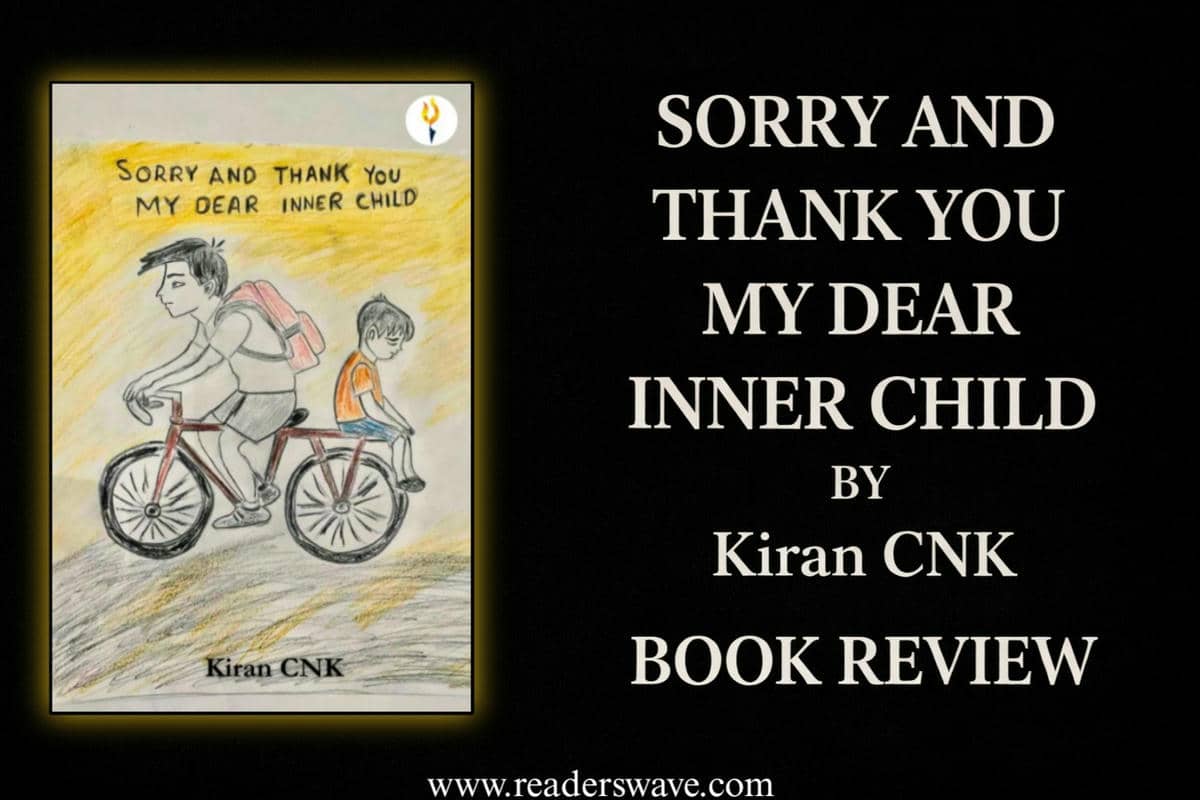
Sorry and Thank You My Dear Inner Child by Kiran CNK
Introduction:
“Sorry and Thank You My Dear Inner Child” is a self healing and personal growth book that focuses on a very deep and often ignored part of our life – the inner child.
Most people grow up physically, but their emotional wounds from childhood often remain unhealed. This book talks about recognizing, understanding, and healing that inner child so that adult life can become more peaceful, confident, and emotionally healthy.
The title itself is powerful. “Sorry” represents accepting the pain and neglect your inner child might have experienced, and “thank you” represents gratitude for the strength and resilience that helped you survive those experiences.
Through this simple but deep idea, the book encourages to build a healthier relationship with themselves.
Get your copy here: Sorry and Thank You My Dear Inner Child by Kiran CNK
What the book is about?
This book revolves around the concept of inner child healing. In psychology, the inner child refers to the emotional part of our personality that was shaped during childhood.
Experiences like criticism, rejection, loneliness or lack of understanding can leave emotional imprints that stay with us in adulthood.
The book explores how many adults struggles – self doubt, overthinking, fear of rejection, need for validation often comes from unhealed childhood. It guides readers to recognize those patterns and understand why they exist.
What makes this book important is that is is not just talk about the problem; it encourages the energy of self compassion. It reaches readers to talk to themselves with kindness, acknowledge their pain and gradually build emotional healing.
What I learned from this book?
One of the biggest lessons from this book is that self awareness is the first step to emotional healing. Many of our behaviors are not random, they are responses to past experiences. When you start observing your emotional triggers, you begin to understand where they come from.
Another important lesson is the power of self compassion. Most people are hard on themselves. They judge their mistakes, their fears and their emotional reactions. This book reminds us that healing is not come from self criticism, it comes from acceptance.
The idea of saying “sorry” to your inner child is very deep. It means acknowledging the times when you ignored your own feelings or put yourself last. And second “thank you” means recognizing the strength that helped you keep going.
This perspective can change how you see yourself.
Who should read this book?
This book can specially helpful for people who are interested in personal growth, emotional healing, and self awareness.
It is a good read for:
– People who struggle with self doubt.
– Those who emotionally overwhelmed or misunderstood.
– Readers interested in mindfulness and inner healing.
– Everyone on a journey of self v discovery.
– If you’re looking for a book that encourages emotional growth and helps you understand and your inner world better, this book can be a meaningful starting point.
Get your copy here: Sorry and Thank You My Dear Inner Child by Kiran CNK
About the author – Kiran CNK
Kiran is a life and self love coach and writer who focuses on personal growth, self awareness, emotional healing. Through this book, the author attempts to create a space where readers can reflect on their past experiences and understand their emotional patterns.
Conclusion
“Sorry and Thank You My Dear Inner Child” is a reflective and thought provoking book that invites readers to look inward. In a world where most people are busy chatting external success, this book gently reminds us that emotional healing and self understanding are equal equally important.
The journey to a healthy life dies not just start with achievements, it starts with understanding yourself.
And sometimes, the most powerful words you can say to yourself are simple:
“Sorry…and Thank You.”
Get your copy here: Sorry and Thank You My Dear Inner Child by Kiran CNK
For more Book Reviews, connect with me on Instagram: Readers.Wave | Karunesh Potdar